
The Minneapolis Institute of Art exists because of a dinner. In January 1911, financier DeWitt Clinton Morrison told a Society of Fine Arts gathering he would donate land for a museum if the group raised $500,000. William Dunwoody pledged $100,000 on the spot. The other guests added $250,000 within ninety minutes, and the rest came in within the month.
The land was the Morrison family’s Villa Rosa estate, where in July 1892 several hundred guests had gathered under elm trees strung with electric lights. The guest of honor, visiting from Chicago, said the Prince of Wales’s garden party in London, which she had attended, fell short of it.
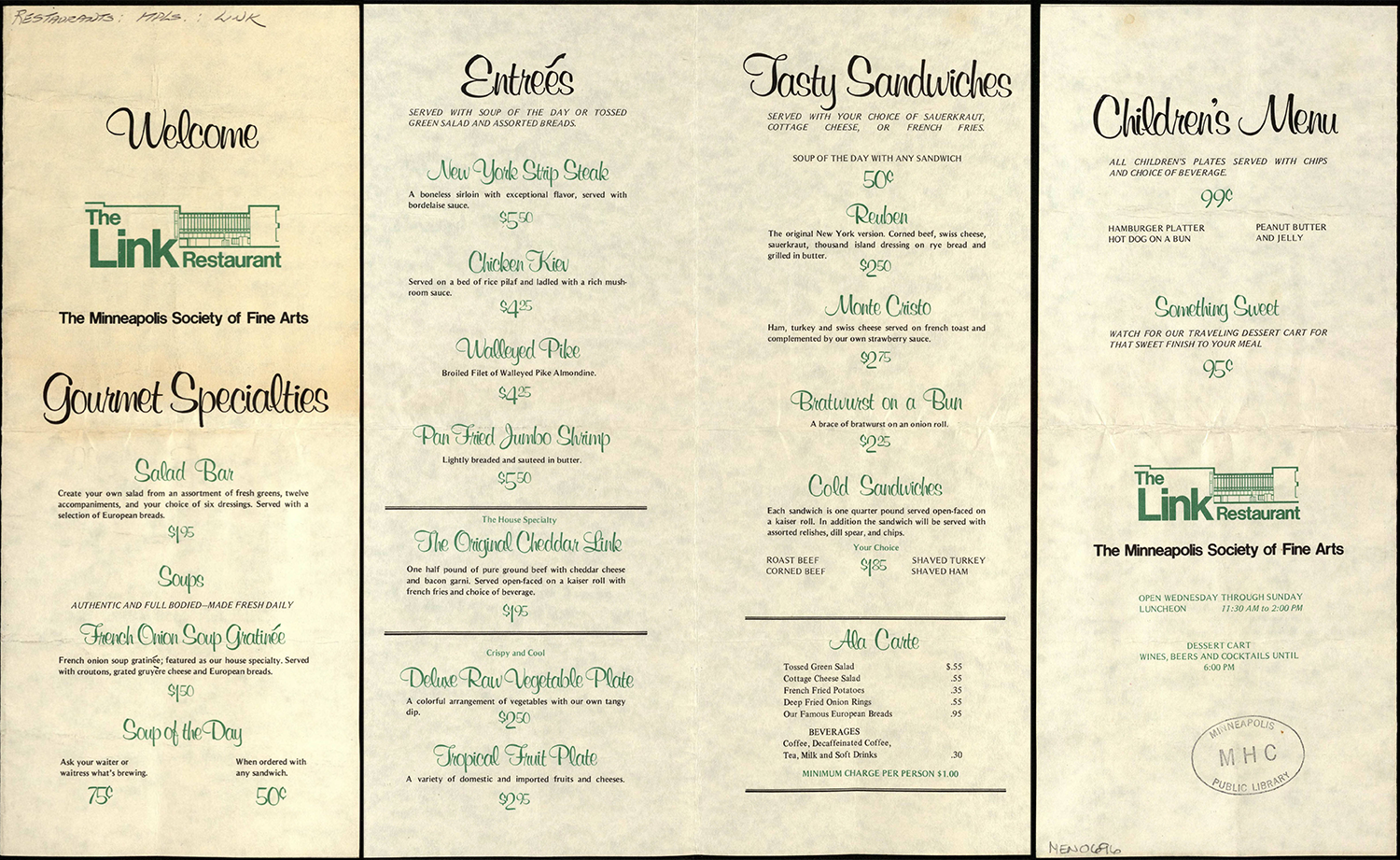
A museum visit can fill an afternoon. You can spend hours among the paintings, sculpture and architecture without leaving, and for generations of visitors lunch was part of the day. Recipes from two of the museum’s former restaurants, The Link and Studio Restaurant, show what those lunches were like.
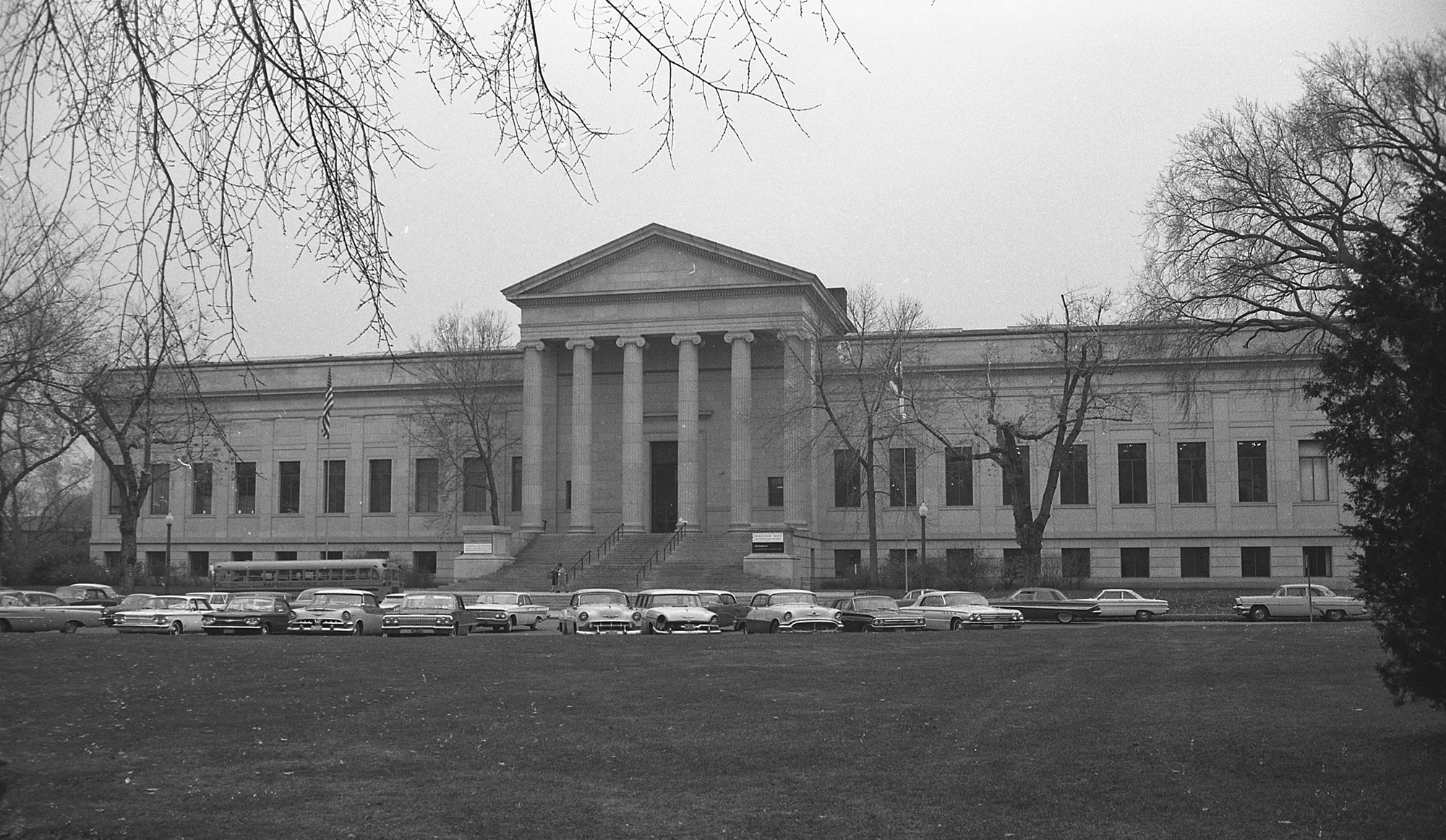
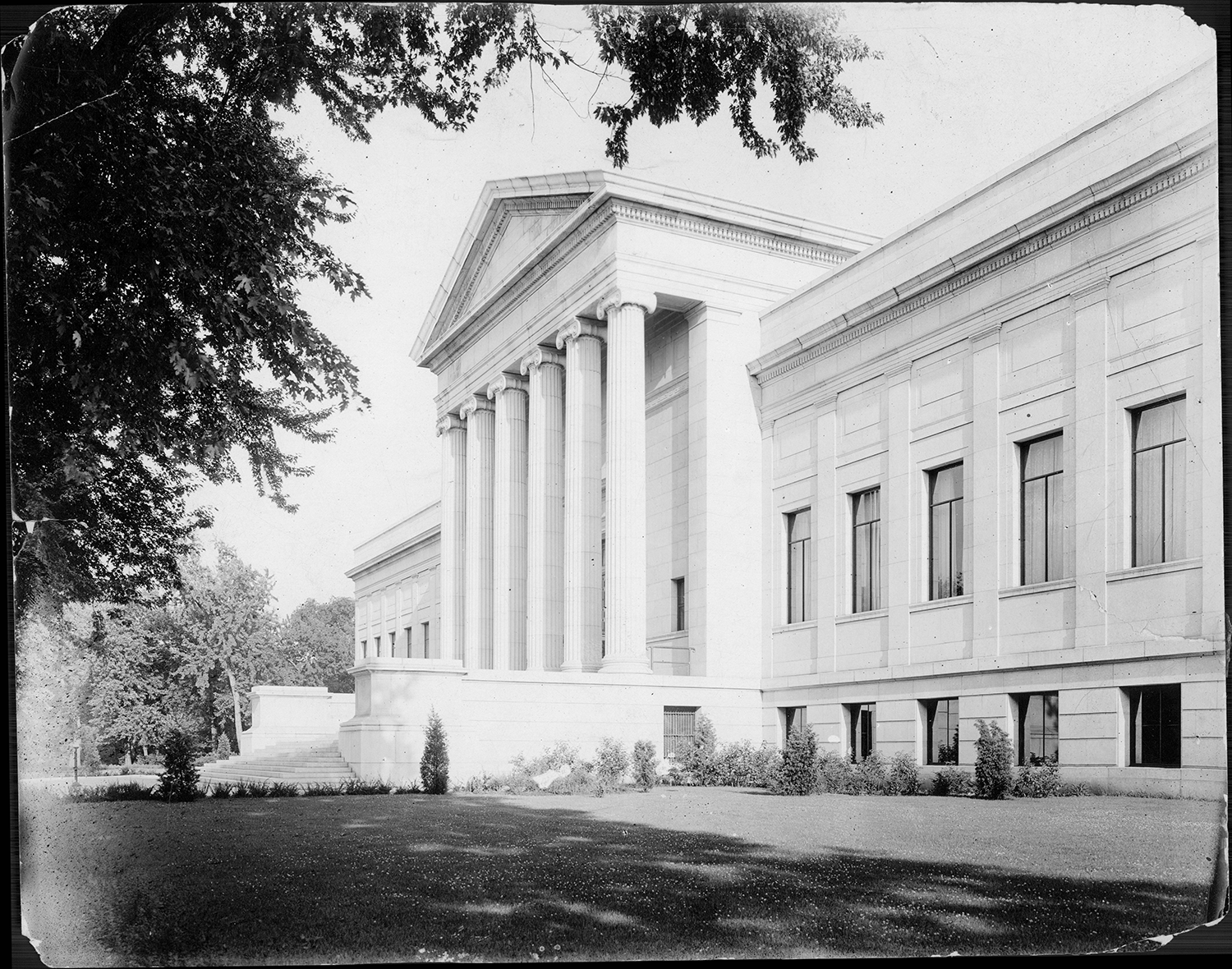
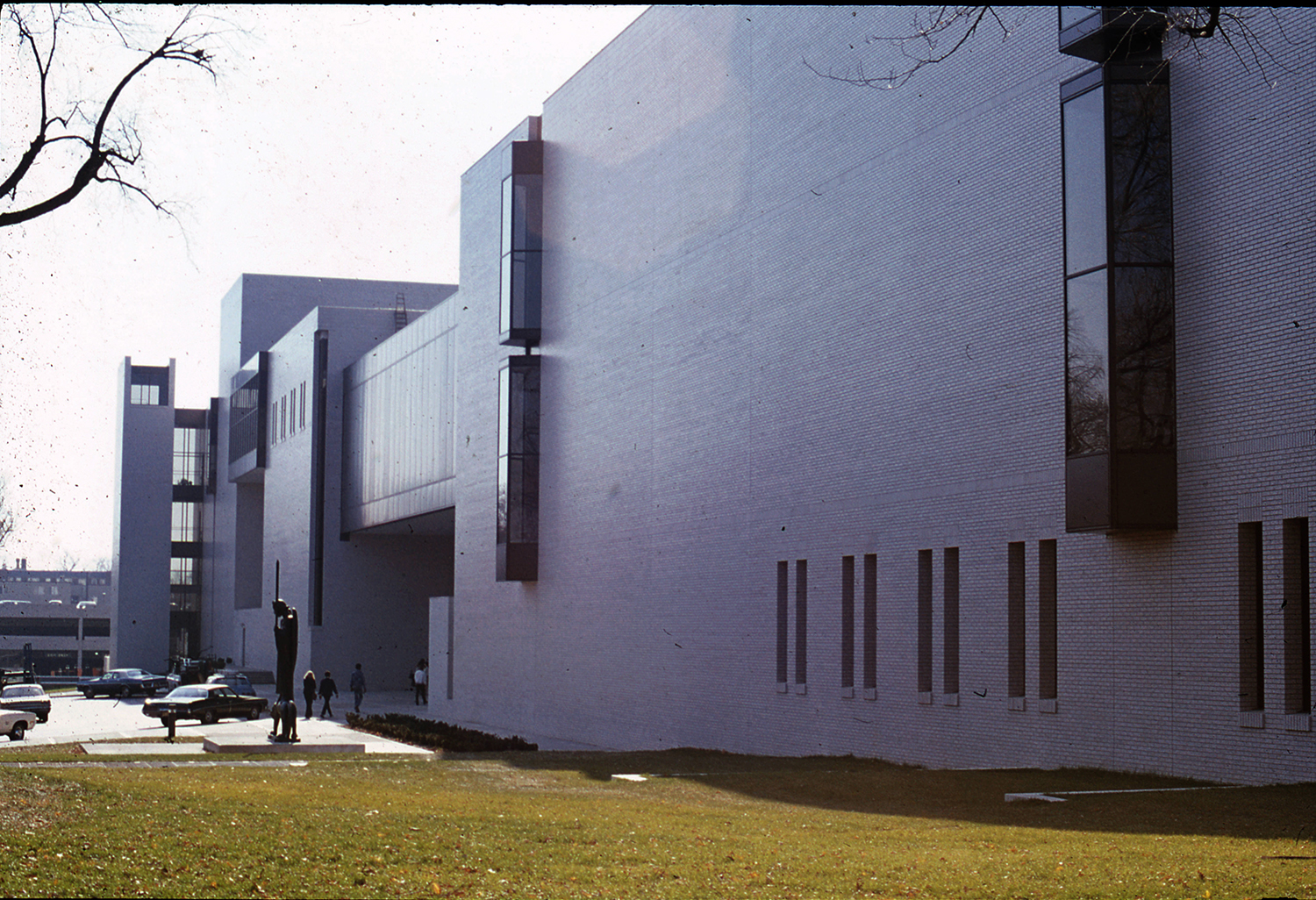
The museum opened in 1915 with a stone facade and classical columns that showed Minneapolis had cultural ambitions. Decades later, Japanese architect Kenzo Tange’s modern addition brought new galleries, courtyards and restaurant space, a sharp contrast to the original building.
By the late 1970s, visitors could break from the galleries for lunch at The Link. Educational programs in the early 1980s built lunch into the day, and records from 1982 name Eugene Stoffel as its chef. A Star Tribune critic later described it as much more formal than the cafe that followed. The half-moon chairs, handsome but not very comfortable, stayed in Tange’s dining room for years afterward. Four recipes dated between 1977 and 1983 are what remain of The Link.
By the late 1980s it had become Studio Restaurant, and fifteen recipes survive from 1987 through 1998. The museum’s archives show it hosting events too. In 1997, a reception for the Print and Drawing Fair filled Studio Restaurant and the Villa Rosa Room, which carries the Morrison mansion’s name, with hors d’oeuvres, live music and a cash bar. The museum’s annual Rose Fete, held since 1959, takes its name from that 1892 party. At the 1985 edition, the fashion show featured a nearly naked bodybuilder posing as a living statue.
After Studio Restaurant, the dining space kept changing. D’Amico & Sons later ran it as Mezzanine. In 2013, the short-lived Grain Stack borrowed its name from Monet’s Grainstack, Sun in the Mist and served bread and pastries from Rustica Bakery and coffee from Dogwood Coffee. The recipes from The Link and Studio Restaurant are what’s left of those lunches.
Recipes from the eateries at the Minneapolis Institute of Art
Looking for a recipe?