Cranberry Surprise

Ingredients
- 1½ Tbsp. butter, softened
- ½ c. sugar
- ¼ c. evaporated milk
- ¼ c. water
- 1 c. flour
- ½ tsp. baking soda
- ½ tsp. salt
- 1 c. raw cranberries
- Butter sauce
Butter Sauce
- 1 tsp. vanilla
- ½ c. butter
- 1 c. sugar
- ½ c. evaporated milk
Instructions
- Mix butter, sugar, milk, water, flour, soda, and salt. Stir in cranberries.
- Fill muffin cups ½ to ⅔ full with batter. Bake in 350° oven 25 minutes.
- Make the butter sauce by mixing butter, sugar, and milk. Bring to a boil, stirring constantly. Add vanilla. Cool slightly.
- Serve each cake topped with warm butter sauce.
Notes
About the Minnesota Landscape Arboretum
Location:
Chaska, Minnesota
Status:
Open
Dates active:
1958-present
In 1907, the Minnesota Horticultural Society successfully petitioned the University of Minnesota to establish a new fruit-breeding and testing farm within the Horticulture Department. The farm was located about 5 miles west of Excelsior, spanning 78 acres. Additional land was acquired in 1920 and 1931, bringing the total to 230 acres.
Initial planting began with extra seeds and plants from experiment stations and donations from local farmers. Sixty-five acres were planted and thriving at the Fruit Breeding Farm by 1912.
The first new fruit variety, a hardy raspberry, was introduced in 1914. By 1923, the public enjoyed 29 new varieties of fruit bred to withstand Minnesota’s weather extremes. The Fruit Breeding Farm continued to expand and produce new, hardier fruit varieties.
Between 1919 and 1953, 62 new varieties were introduced, including Fireside and Haralson apples, the Northstar cherry, and the Superior plum.
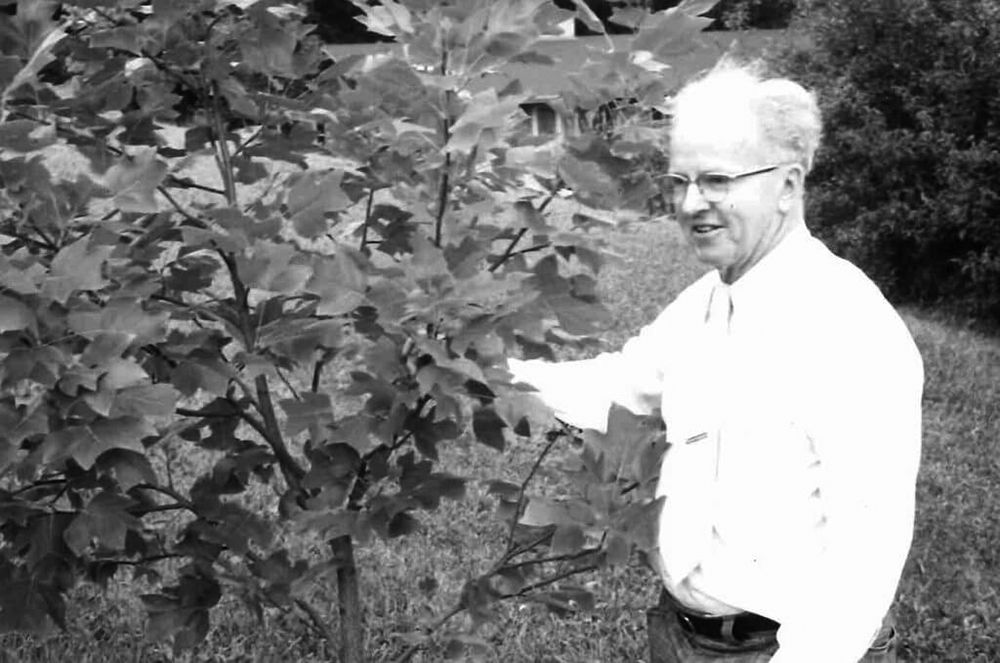
After World War II, Dr. Leon C. Snyder became head of the University of Minnesota’s Horticultural Sciences Department. His interests shifted to planting for landscape. He initially planted shrubs and trees around his home on the farm. He later expanded this planting into the farm’s open fields, where Northern Lights azaleas were developed.
During his time as department head, he envisioned an outdoor laboratory where he and his colleagues could create new plants, along with an outdoor living classroom for students.
With Dr. Snyder’s guidance, the University of Minnesota purchased land for a Landscape Arboretum in 1958 near the Fruit Breeding Farm. The Fruit Breeding Farm evolved into the Horticultural Research Center in 1967 and began growing more than just fruit. Two decades later, the Horticultural Research Center and the Minnesota Landscape Arboretum were merged into a single unit by the University of Minnesota.
The Tea Room and Restaurant
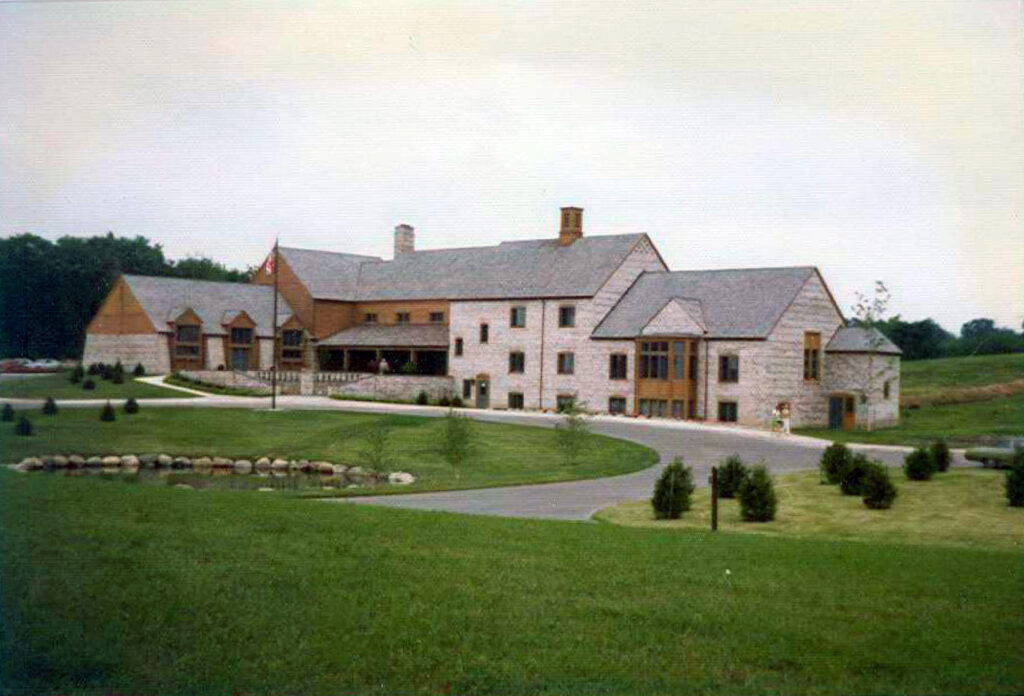
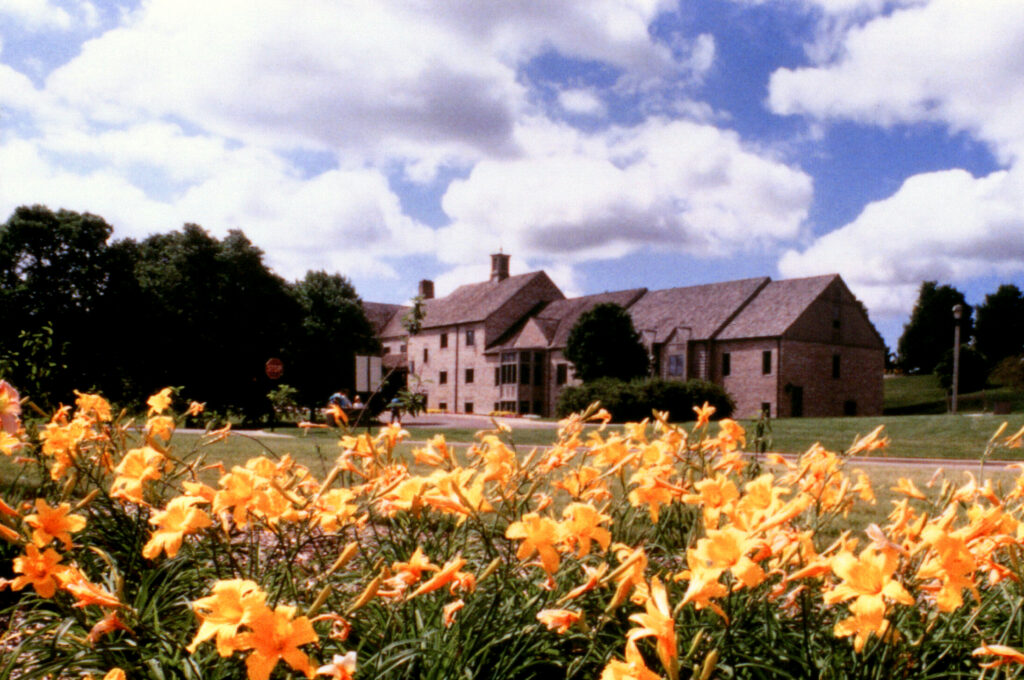
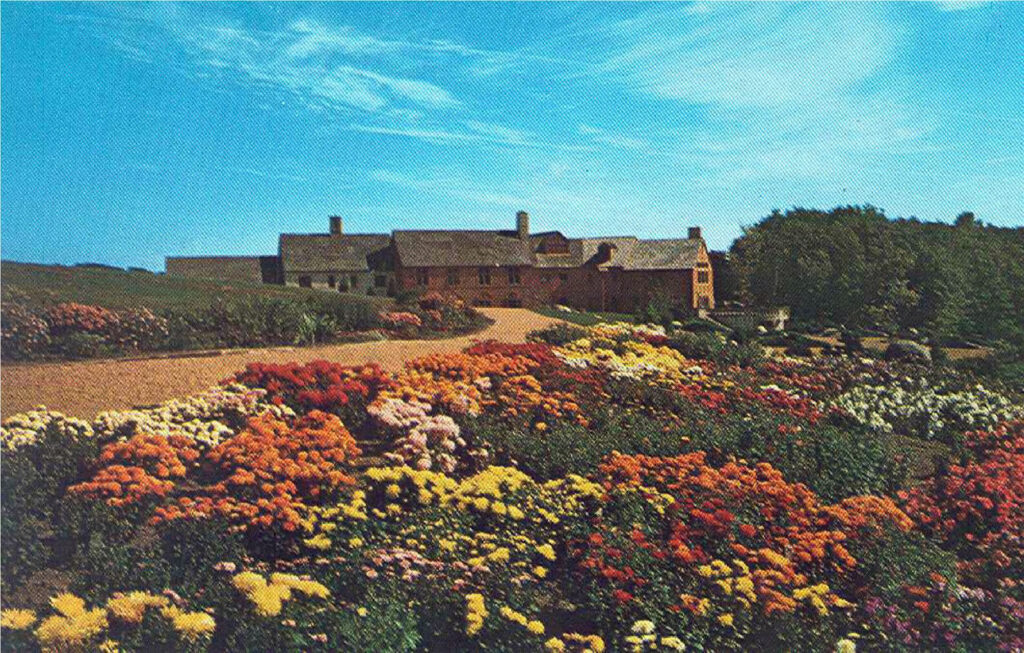
Edwin Lundie designed the arboretum’s first building to serve as a research center, visitor center, horticultural library, and tea room. The building was named for the arboretum’s first director, Dr. Leon C. Snyder.
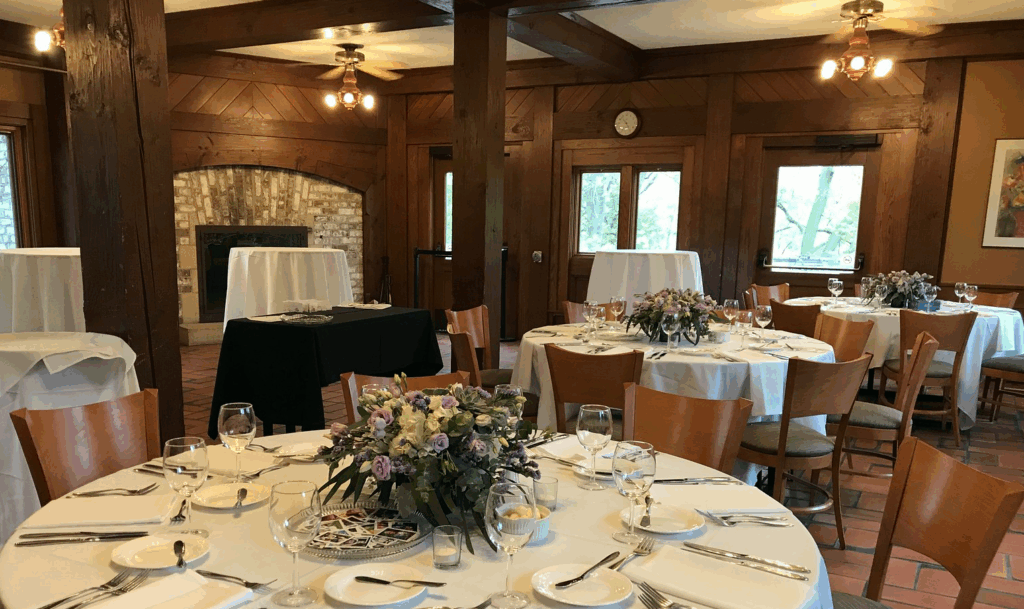
The tea room featured classically cozy Lundie features like wood, windows to let the outside in, a fireplace, and rustic floor tiles. The tea room opened onto an outdoor dining terrace, allowing visitors to take in the breathtaking view of the grounds without needing hiking shoes.
When the new visitor center opened at the arboretum in 2005, a cafeteria-style restaurant was added, offering more space for diners. In a nod to the old tea room, the restaurant opened onto a dining terrace. Both the restaurant and the terrace accommodated nearly twice as many visitors, who stopped to sit down for brunch or lunch of homemade soups, sandwiches, and treats.
The tea room is still used for special events such as Mother’s Day brunch, afternoon tea, weddings and gatherings, and other Arboretum events.
The Minnesota Landscape Arboretum today
Today, the arboretum encompasses 1,200 acres of forest and gardens. It has the distinction of being the largest, most diverse, and most complete horticultural site in Minnesota, with over 5,000 plant varieties.
The Andersen Horticultural Library in the Snyder Building houses 15,000 books covering botany, horticulture, natural history, children’s literature, research materials, and nursery catalogs.
The Minnesota Landscape Arboretum is open to the public for a fee 363 days of the year. Hours at the cafe and library differ from that schedule, so please check their website before visiting.
Gallery